
Music
Agriculture (1) Anime (9) Brewing & Distilling (1) Design (1) Fashion (1) Film & TV (3) Fisheries (2) Food & Dining (1) Funeral Services (4) Games (6) Idols & Entertainment (4) Manufacturing (3) Music (9) Performing Arts (2) Publishing (4) Restoration Services (2) Retail (2) Technology (1) Tourism (4) Toys & Collectibles (3) Traditional Crafts (4)
-
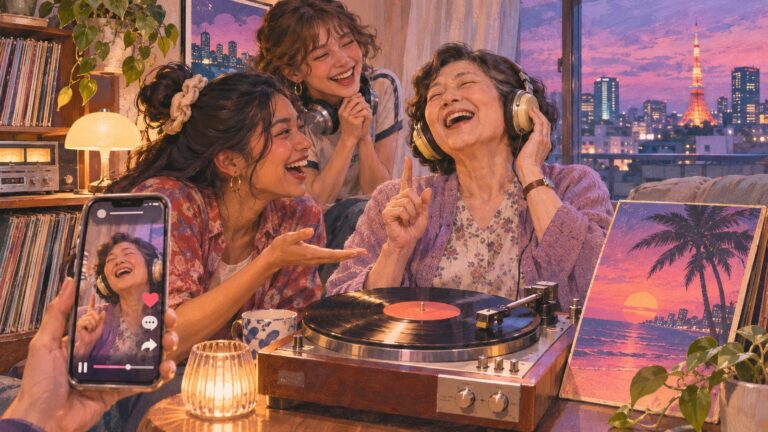
Why was a 1979 debut single streamed 500 million times on Spotify forty years later? The rebirth of Japanese city pop
In 1979, a record producer asked a composer for a song that “completely ignored the rules of Japanese pop.” Forty years later, young people around the world who don’t speak Japanese made it their own.
-
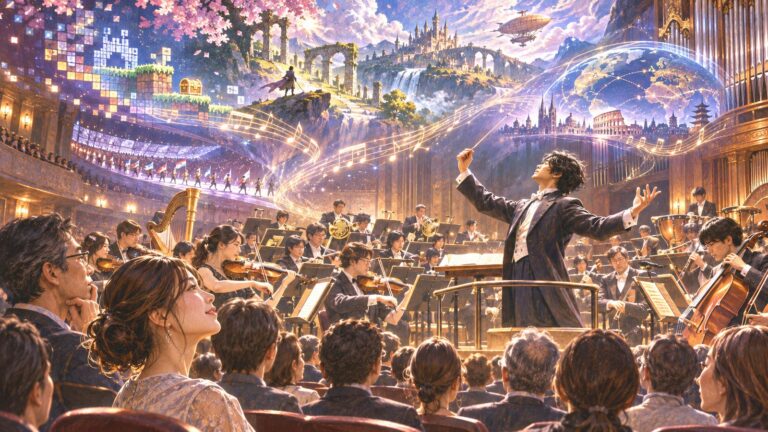
Why did the athletes at the Tokyo Olympics march in to video game music? How Japanese game scores made it into the world’s concert halls
When the Tokyo Olympics opened in 2021, the first music to play as the athletes entered was from Dragon Quest. How did melodies that once came out of a home video game console end up in concert halls from Tokyo to London, Paris and Los Angeles?
-
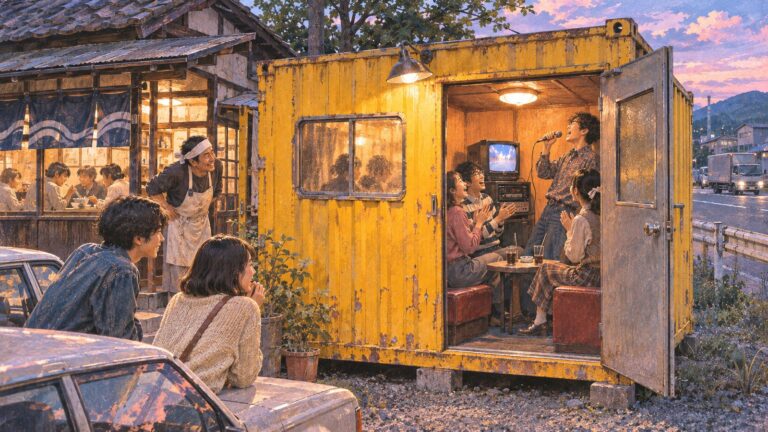
The karaoke room the whole world sings in started as a shipping container? A noodle shop owner’s accidental invention in Okayama
In 1985, singing came from an old shipping container painted yellow, beside an industrial road on the outskirts of Okayama where trucks rumbled past. Customers queued for three to five hours just to get in and sing. Today karaoke rooms are everywhere in Japan and around the world. Why did…
-

Anime gives a song a story: why do overseas fans love Japanese anime songs? Starting with JoJo’s new opening theme
In October 2026, the opening theme of a new JoJo anime topped the Japan Songs charts in the US, the UK, France and Brazil at the same time. Why are the Japanese songs that overseas listeners play most so often anime songs?
-
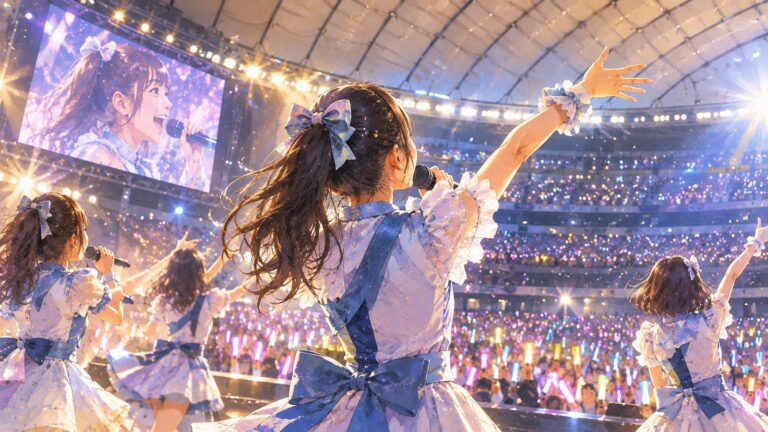
¥15,000 an Episode, Yet They Fill the Tokyo Dome: The Real Reason Japanese Voice Actors Became Idols
A rookie voice actor gets ¥15,000 for an episode of anime, yet Nana Mizuki played two nights in a row at the Tokyo Dome. Voice work is priced low, but the voice itself is worth a lot. The idolization of voice actors began with that gap.
-
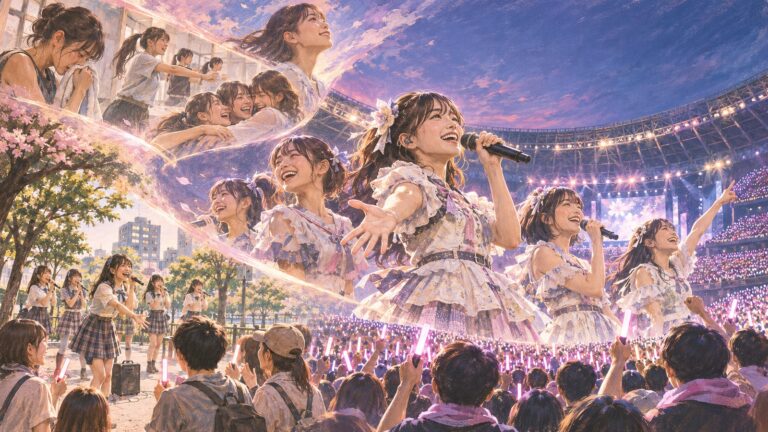
From a Park Sidewalk to the National Stadium: What Is Japan’s Idol Industry Really Selling? Ten Years of Momoiro Clover Z
In 2008, a few girls sang on a sidewalk in Tokyo’s Yoyogi Park to an audience of a few dozen. Six years later, the same group stood on the stage of the National Stadium, and about 110,000 people came over two days. What fans paid for wasn’t just a concert.
-

AI Can Already Write Songs. How Will Musicians Make a Living? What Hatsune Miku Tells Us About the Future of Japanese Musicians
In January 2026, Hatsune Miku sang songs from more than a decade ago on the big screen of a large Yokohama arena. What the audience had bought tickets to see were the four people in front of the screen playing drums and keys.
-

Why Buy the Same CD Ten Times When You Can Stream? Japanese Music Fans and “Participatory Consumption”
In 2024, the most-streamed song in Japan and the best-selling single were by two completely different acts. That gap reveals the real reason Japanese people still buy CDs.
-
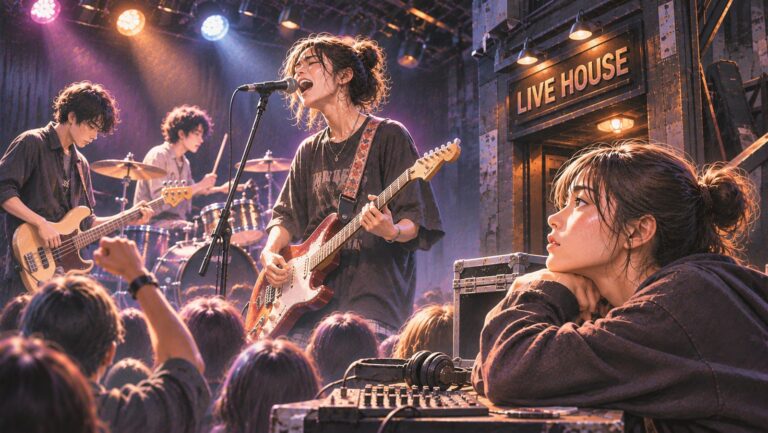
Why Do Bands Pay to Play? How Japan’s Tiny Live Houses Make Stars
A 250-capacity live house in Shibuya once watched a band play to fewer than 20 people. Years later, that band sold out a 1,500-capacity venue, and on the same night, the little club was packed too.