
Inside the Industry
Agriculture (1) Anime (9) Brewing & Distilling (1) Design (1) Fashion (1) Film & TV (3) Fisheries (2) Food & Dining (1) Funeral Services (4) Games (6) Idols & Entertainment (4) Manufacturing (3) Music (9) Performing Arts (2) Publishing (4) Restoration Services (2) Retail (2) Technology (1) Tourism (4) Toys & Collectibles (3) Traditional Crafts (4)
-
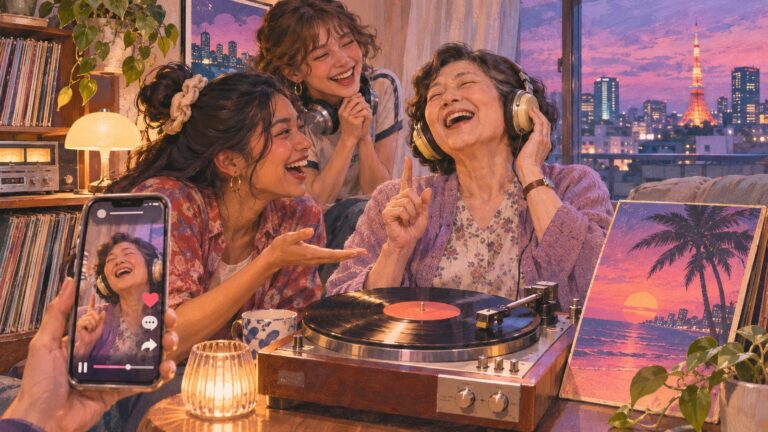
Why was a 1979 debut single streamed 500 million times on Spotify forty years later? The rebirth of Japanese city pop
In 1979, a record producer asked a composer for a song that “completely ignored the rules of Japanese pop.” Forty years later, young people around the world who don’t speak Japanese made it their own.
-
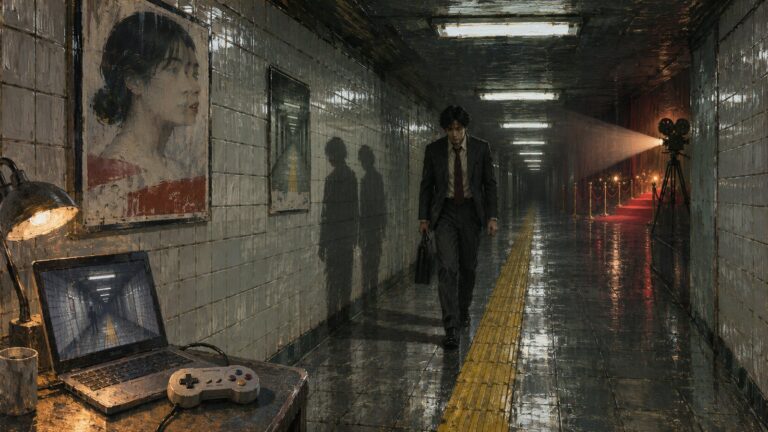
How did an underground-passage game made by one person sell 3 million copies? The Exit 8, from a 470-yen game to a Cannes film
A white underground passage, a salaryman walking toward you, and one rule: if something’s wrong, turn back. How did this game, made by one person and priced at 470 yen, sell 3 million copies, get made into a film and reach Cannes?
-
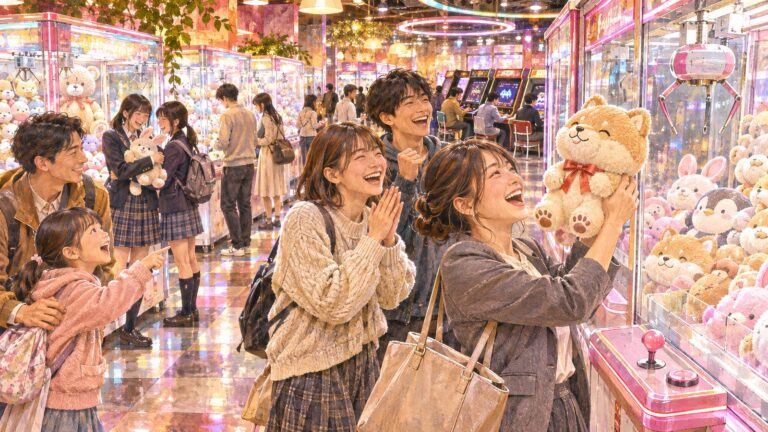
You can play games at home, so why haven’t Japan’s game centers disappeared? The turnaround story of arcades revived by crane games
Over ten years, nearly half of Japan’s game centers closed, yet their revenue has climbed back above pre-pandemic levels. What drove the rebound was not more thrilling video games, but crane games that cost 100 yen a play.
-
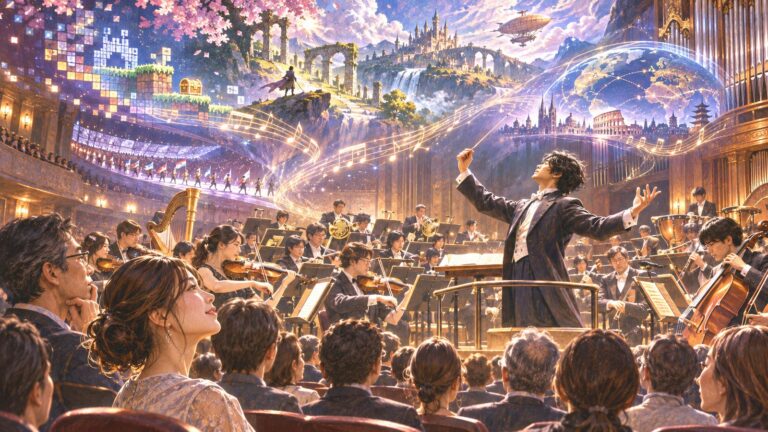
Why did the athletes at the Tokyo Olympics march in to video game music? How Japanese game scores made it into the world’s concert halls
When the Tokyo Olympics opened in 2021, the first music to play as the athletes entered was from Dragon Quest. How did melodies that once came out of a home video game console end up in concert halls from Tokyo to London, Paris and Los Angeles?
-
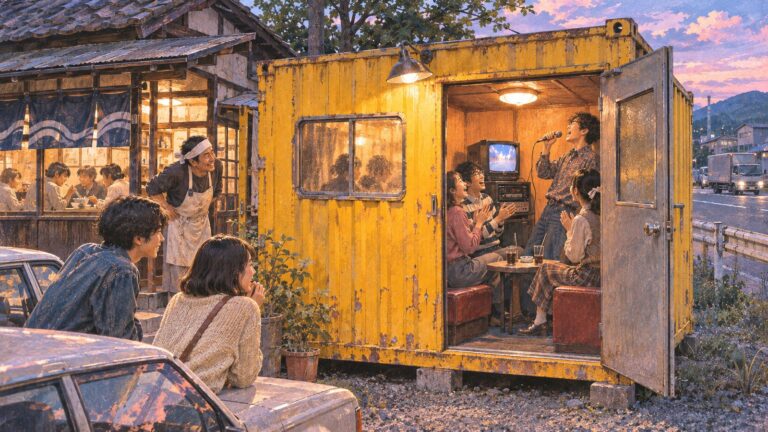
The karaoke room the whole world sings in started as a shipping container? A noodle shop owner’s accidental invention in Okayama
In 1985, singing came from an old shipping container painted yellow, beside an industrial road on the outskirts of Okayama where trucks rumbled past. Customers queued for three to five hours just to get in and sing. Today karaoke rooms are everywhere in Japan and around the world. Why did…
-
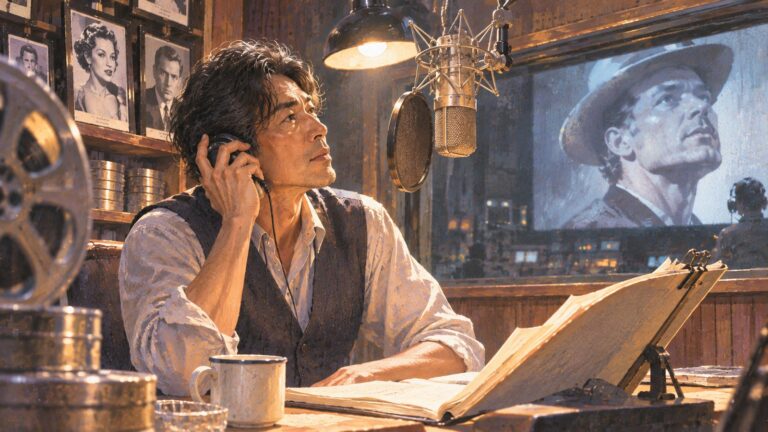
The Hollywood stars Japanese audiences remember speak in someone else’s voice: Japan’s custom of the “fixed” dubbing voice
For more than thirty years, Arnold Schwarzenegger has spoken Japanese in almost the same voice. There is no contract and no instruction from Hollywood. So how has this custom lasted?
-

Anime gives a song a story: why do overseas fans love Japanese anime songs? Starting with JoJo’s new opening theme
In October 2026, the opening theme of a new JoJo anime topped the Japan Songs charts in the US, the UK, France and Brazil at the same time. Why are the Japanese songs that overseas listeners play most so often anime songs?
-
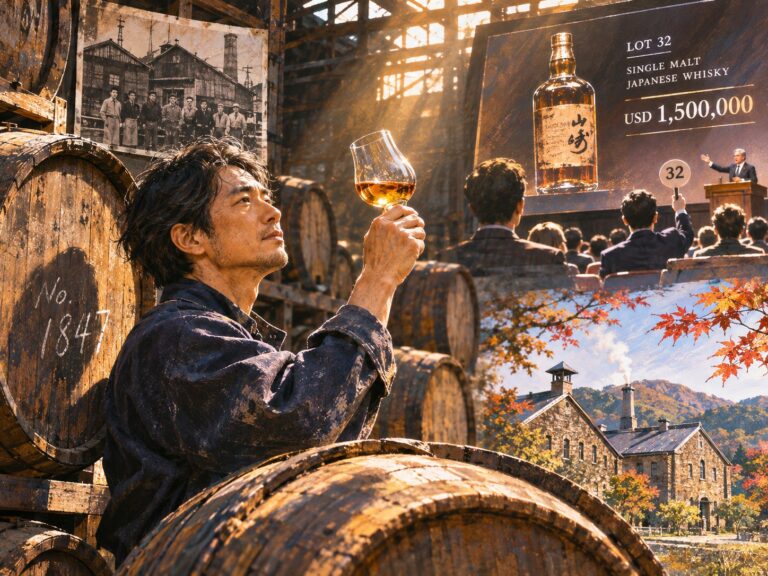
How Did Whisky That Was Almost Poured Away Sell for $1.5 Million? Japanese Whisky’s Journey From “Imitation” to Auction Record
In 2004, someone set a deadline for getting rid of this whisky. Sixteen years later, 54 bottles filled from it sold in Hong Kong for HK$11.89 million.
-

Why Can a Single Koi Sell for ¥200 Million? The Bloodlines and Competitions Behind Japanese Koi Prices
In 2018, a red-and-white carp sold for ¥203 million. Most of what the buyer paid for wasn’t the fish itself.
-

A Company That Lasted 1,400 Years Nearly Went Bankrupt. Why? The Rise and Fall of Kongo Gumi, the World’s Oldest Company
Kongo Gumi has been building temples since 578 AD. It survived wars, typhoons, changes of regime and the suicide of one of its heads. What finally pushed it to the brink of bankruptcy was something mundane: jobs taken on for ¥500 million that cost ¥600 million to build.